


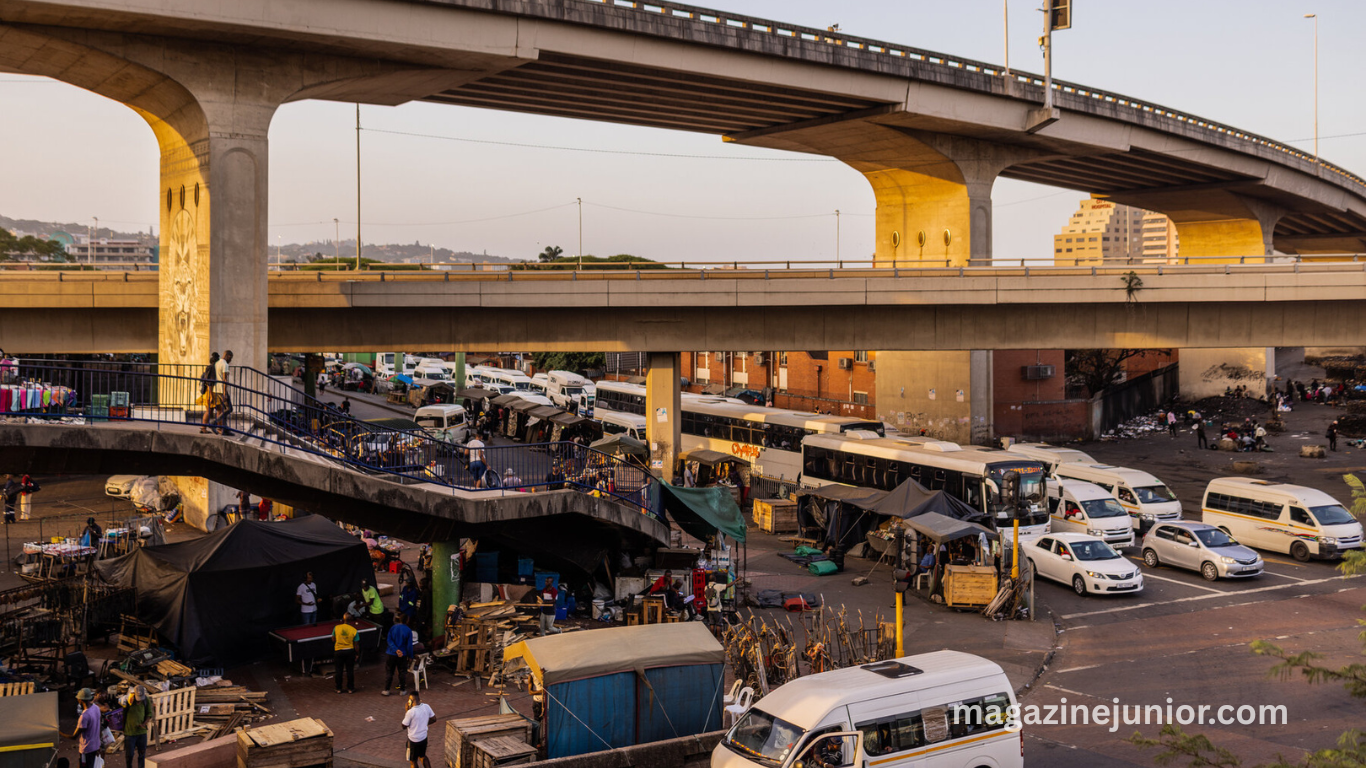
Cities across six continents are undergoing bold transformations, responding to rising urban populations, climate challenges, and technological shifts. These urban centers are blending innovative design with sustainable development, creating vibrant spaces that address environmental and social needs.
By reimagining transportation systems, public areas, and governance models, these cities are redefining how people live, work, and connect. The integration of smart technologies, renewable energy, and inclusive policies is shaping the future of urban life for millions.
As of June 2025, these six cities stand as global examples of resilience and innovation. Their unique approaches provide valuable insights for urban planners, policymakers, and citizens worldwide seeking more sustainable and equitable urban environments.
Singapore’s Green Corridor Transforms Urban Connectivity
Singapore has redefined its urban landscape by converting a former railway line into the Rail Corridor, a 24-kilometer linear park that winds through the city’s dense neighborhoods. This green corridor connects parks, cultural landmarks, and residential zones, fostering biodiversity and community interaction.
Native plant restoration supports local ecosystems, while shaded walking and cycling paths encourage outdoor activity. Integrated with Singapore’s MRT system and bike-sharing network, the corridor offers seamless multimodal transport options. Smart lighting and sensor-controlled irrigation enhance sustainability and operational efficiency.
The Rail Corridor also focuses on mental wellbeing by providing accessible, calming green spaces. Families, seniors, and fitness enthusiasts frequent the area, while educational programs involve students in ecological conservation. This innovative reuse of old infrastructure offers a blueprint for urban regeneration.
Medellín’s Social Urbanism Bridges Inequality
Medellín, Colombia, has pioneered social urbanism to address long-standing inequality. Through targeted infrastructure and community-focused design, marginalized neighborhoods have gained improved access to essential services. The city’s Metrocable cable car system connects hillside settlements with economic hubs, drastically reducing commute times.
Public libraries and cultural centers are strategically located in underserved areas, offering educational programs, art exhibitions, and technology access. Residents participate in planning processes, ensuring that developments meet local needs and foster community ownership.
Studies show travel times have decreased by up to 60%, and crime rates in connected neighborhoods have declined significantly. Medellín’s approach illustrates how inclusive urban design can transform social and economic outcomes for historically excluded communities.
Melbourne’s Laneways Revitalize the Urban Core
Melbourne has reimagined its narrow laneways, once used primarily for deliveries, into bustling centers of culture and commerce. These vibrant alleyways feature street art, independent cafes, boutiques, and performance spaces that attract both residents and tourists.
Supported by local government micro-grants and creative policies, the laneways have become thriving hubs for small businesses and emerging artists. Pedestrian-friendly upgrades, such as improved lighting and permeable paving, enhance safety and environmental performance.
Read More : Khartoum before the war – Public spaces that held the city together
Rain gardens and solar-powered lighting contribute to sustainability while increasing foot traffic enhances natural surveillance, improving urban safety. Melbourne’s laneway revival demonstrates how small-scale, community-focused interventions can drive significant economic and cultural vitality.
Paris Implements the 15-Minute City Vision
Paris has become a leader in promoting the 15-minute city model, where residents can access work, education, healthcare, and recreation within a 15-minute walk or bike ride. By mid-2025, significant portions of the city have been rezoned to support mixed-use development and reduce car dependency.
Wider sidewalks, protected bike lanes, and traffic-calming measures are transforming public streets into pedestrian-first spaces. Air-quality monitoring informs vehicle restrictions, while participatory budgeting allows citizens to propose and fund neighborhood projects.
Preliminary outcomes show lower carbon emissions, increased physical activity, and stronger community bonds. Paris’s model is inspiring global cities to adopt localized, people-centric planning that improves urban livability and resilience.
Cape Town Confronts Climate Risks With Adaptation
Cape Town, South Africa, faces severe climate risks, including droughts, floods, and extreme heat. The city’s updated Climate Change Strategy, launched in 2023, prioritizes water security, green infrastructure, and sustainable transportation to enhance resilience.
Restored wetlands, dry-riverbed basins, and permeable surfaces help manage stormwater and replenish groundwater supplies. Public-private partnerships are expanding electric bus networks and adding protected cycling infrastructure, while rainwater harvesting programs empower households to reduce water consumption.
Cape Town’s Hotspot Network uses real-time data to identify vulnerable neighborhoods and target resources accordingly. Projections suggest that flood risks could drop by up to 25% in prioritized areas. These integrated solutions offer a holistic approach to urban climate adaptation.
Vancouver Champions Indigenous-Led Urban Development
Vancouver, Canada, is advancing Indigenous-led urban renewal through a groundbreaking partnership with the Musqueam, Squamish, and Tsleil-Waututh Nations. Together, they are redeveloping the South False Creek area into a culturally grounded, sustainable neighborhood.
Guided by Coast Salish design principles, the master plan integrates ecological restoration, affordable housing, and cultural spaces. Wetlands are being regenerated, salmon streams reconnected, and public art installations celebrate Indigenous heritage.
At least 40% of new housing is designated for below-market rental, ensuring affordability. Continuous community consultation ensures equitable access to green spaces and cultural facilities. Vancouver’s approach highlights how Indigenous knowledge can shape inclusive, sustainable urban futures.
Frequently Asked Questions
What is social urbanism?
Social urbanism combines infrastructure, public services, and cultural programs to promote inclusion, equity, and quality of life.
How does the 15-minute city reduce emissions?
The 15-minute city lowers car dependency by ensuring essential services are accessible by walking or cycling, cutting transportation emissions.
What are green corridors in cities?
Green corridors are repurposed former transport routes that support biodiversity, active mobility, and recreation through linear park designs.
How does Indigenous-led planning benefit cities?
Indigenous-led planning fosters cultural recognition, ecological restoration, and inclusive housing while honoring traditional knowledge.
What climate adaptation methods are effective in urban areas?
Urban climate adaptation includes wetland restoration, permeable surfaces, electric transport, smart water management, and early warning systems.
Can laneway revitalization work in other cities?
Yes, small investments in lighting, safety, and cultural programming can activate underutilized spaces, enhancing urban vibrancy.
What is participatory budgeting?
Participatory budgeting empowers residents to allocate public funds to local projects, increasing transparency and civic engagement.
How do cities track success in urban transformation?
Cities measure outcomes using travel-time data, crime rates, air quality, biodiversity counts, and community well-being surveys.
Conclusion
Six cities demonstrate how innovative design, climate adaptation, and inclusive policies can transform urban life into sustainable, resilient, and thriving environments for future generations.