


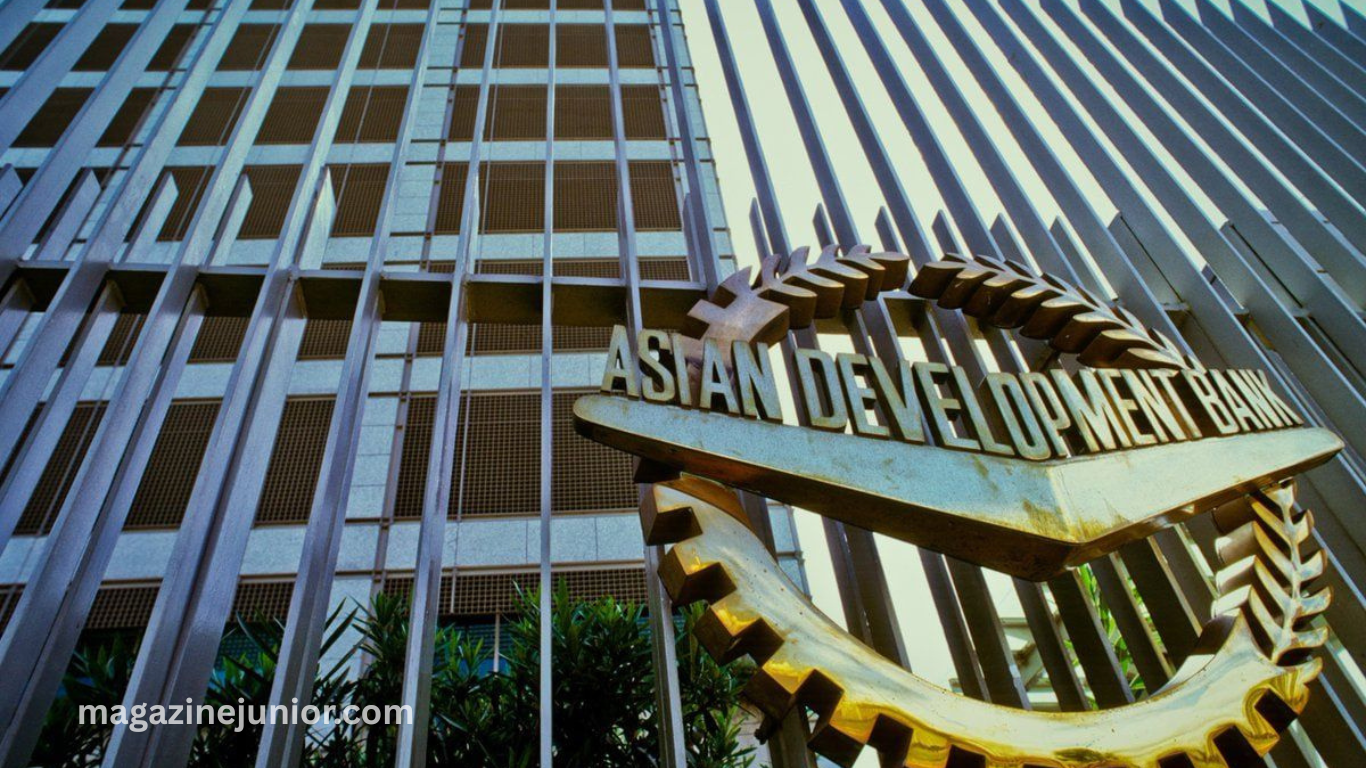
The Asian Development Bank (ADB) recently pledged Rs180 million (equivalent to USD 180 million) to renovate and enhance essential urban infrastructure across two rapidly expanding cities in Punjab. This transformative investment targets improvements in water supply and solid waste management, alleviating pressures from groundwater depletion and urban environmental decay. Its timely arrival underscores ADB’s focus on sustainable, climate-resilient municipal services.
The initiative prioritizes Rawalpindi with its expanding populace and Bahawalpur, where waste management challenges are increasing alongside municipal growth. ADB’s funding will support state-of-the-art facilities, cutting-edge fleet systems, and inclusive service delivery designed to improve living standards within these urban centers.
By integrating innovative technologies, promoting cost recovery, and fostering behavioral change, this project showcases a modern blueprint for urban revival. It represents a crucial leap forward in Pakistan’s ambition to deliver resilient, efficient, and environmentally friendly municipal services across Punjab’s urban landscape.
Strengthening Water Supply in Rawalpindi
The Rawalpindi component aims to shift dependence from groundwater to surface water through new intakes and treatment facilities, offering a more sustainable solution. A 54 million‑litre‑per‑day treatment plant will directly support over 82,000 households with metered connections, ensuring consistent access to clean water.
Enhanced pumps and transmission infrastructure will bolster the resilience of the system, reducing leakages and operational failure. Three pilot district‑metering areas will track usage, improve billing efficiency, and promote water conservation, ultimately reducing groundwater over-extraction and ensuring long‑term supply.
Modernising Solid Waste Management in Bahawalpur
In Bahawalpur, solid waste handling will undergo a major transformation. A new fleet of collection vehicles paired with fleet‑management software will expand coverage and streamline operations. Informal workers will gain improved employment conditions via the procurement of personal protective equipment.
The project includes the construction of a flood‑resistant landfill and recycling facility alongside the rehabilitation of existing dumping sites. These enhancements will promote sustainable disposal and sorting practices, reducing environmental contamination while advancing municipal resilience.
Enhancing Institutional Efficiency and Financial Sustainability
ADB’s funding also focuses on enabling institutional capacity in the implementing agencies. Rawalpindi Water and Sanitation Agency (RWASA) and Bahawalpur Waste Management Company (BWMC) will benefit from training, systems improvement, and strengthened administrative processes.
The initiative promotes inclusivity and financial viability by supporting cost‑recovery mechanisms, energy‑efficient operations, and improved service quality. These reforms aim to establish a self‑supporting model and pave the way for ongoing development and resilience in local governance.
Driving Innovation and Behavioural Change
Innovation is at the core of this program integrating renewable energy solutions to reduce carbon footprint alongside behavioral communications to increase community participation. Public awareness campaigns will highlight water conservation and waste‑sorting practices.
The deployment of smart metering and information systems will foster real‑time monitoring and data-driven decision‑making. By shaping user behavior, ADB emphasizes the importance of active citizen engagement in sustaining managed systems and fostering long‑term environmental stewardship.
Integrating Technical Assistance from Korea’s e-Asia Fund
ADB will manage USD 1 million in technical assistance sourced from the Republic of Korea’s e-Asia and Knowledge Partnership Fund. This support will target RWASA, focusing on leakage reduction, asset management, and operational optimization.
The provision of technical guidance, training, and advisory services will underpin infrastructure upgrades, ensuring both reliability and effective asset utilization. The assistance program highlights ADB’s emphasis on capacity‑building and long‑term institutional development.
Anticipated Social and Environmental Benefits
The planned interventions are expected to benefit around 1.5 million residents across Rawalpindi and Bahawalpur. Clean drinking water access will rise, municipal hygiene will improve, and health risks associated with poor sanitation and polluted water sources will decline.
Environmentally, the shift to surface water use will lessen groundwater depletion. Meanwhile, improved waste and recycling systems will help reduce landfill emissions and contamination. The project’s climate‑aware design underscores resilience against floods and other climate hazards.
Supporting Pakistan’s Broader Urban Development Goals
This initiative aligns closely with Punjab’s wider urban development strategy. It reflects a deliberate effort to modernize critical service sectors, enhance infrastructure resilience, and promote sustainable development across cities.
ADB’s role as a development partner demonstrates Pakistan’s ability to attract global support for municipal improvements aligned with national policies. The project serves as a replicable model for similar investments in other mid‑sized Pakistani cities.
Ensuring Accountability and Results
To ensure project success, ADB has integrated robust monitoring and evaluation processes. Performance indicators will measure water quality, service coverage, waste collection efficiency, and system resilience.
Transparent procurement practices and stakeholder engagement are embedded within the project framework to maintain accountability. Capacity building for local authorities will reinforce governance standards and operational transparency.
Frequently Asked Questions
What is the total value of ADB’s commitment?
ADB has committed USD 180 million (approximately Rs180 million) toward infrastructure improvements in Punjab’s urban centers.
Which cities benefit from the project?
The project will benefit Rawalpindi focusing on water supply and Bahawalpur for solid waste management.
How many people will benefit?
An estimated 1.5 million residents across both cities are expected to gain improved water access and sanitation services.
What improvements are planned for Rawalpindi?
Rawalpindi will receive new water intakes, a treatment plant with a capacity of 54 MLD, pipelines, metering systems, and upgraded pumps.
What waste management upgrades are in Bahawalpur?
Bahawalpur will get modern waste collection vehicles, digitized fleet management, a recycling plant, personal safety kits, and a flood‑proof landfill.
How does the project promote sustainability?
It introduces renewable energy, metered services, cost‑recovery strategies, behavioral awareness, and institutional strengthening.
What’s the role of Korean technical assistance?
USD 1 million from Korea’s e‑Asia Fund will support RWASA in leakage reduction, asset management, and efficiency training.
How will the project ensure transparency?
It includes performance tracking, public procurement standards, stakeholder consultations, and local capacity development.
Conclusion
ADB’s Rs180 million commitment marks a transformative step toward sustainable urban development in Punjab. By modernizing water systems in Rawalpindi and waste management in Bahawalpur, fostering institutional resilience, and engaging communities through innovation and capacity support, the initiative is poised to uplift municipal services and quality of life for 1.5 million residents across both cities.