


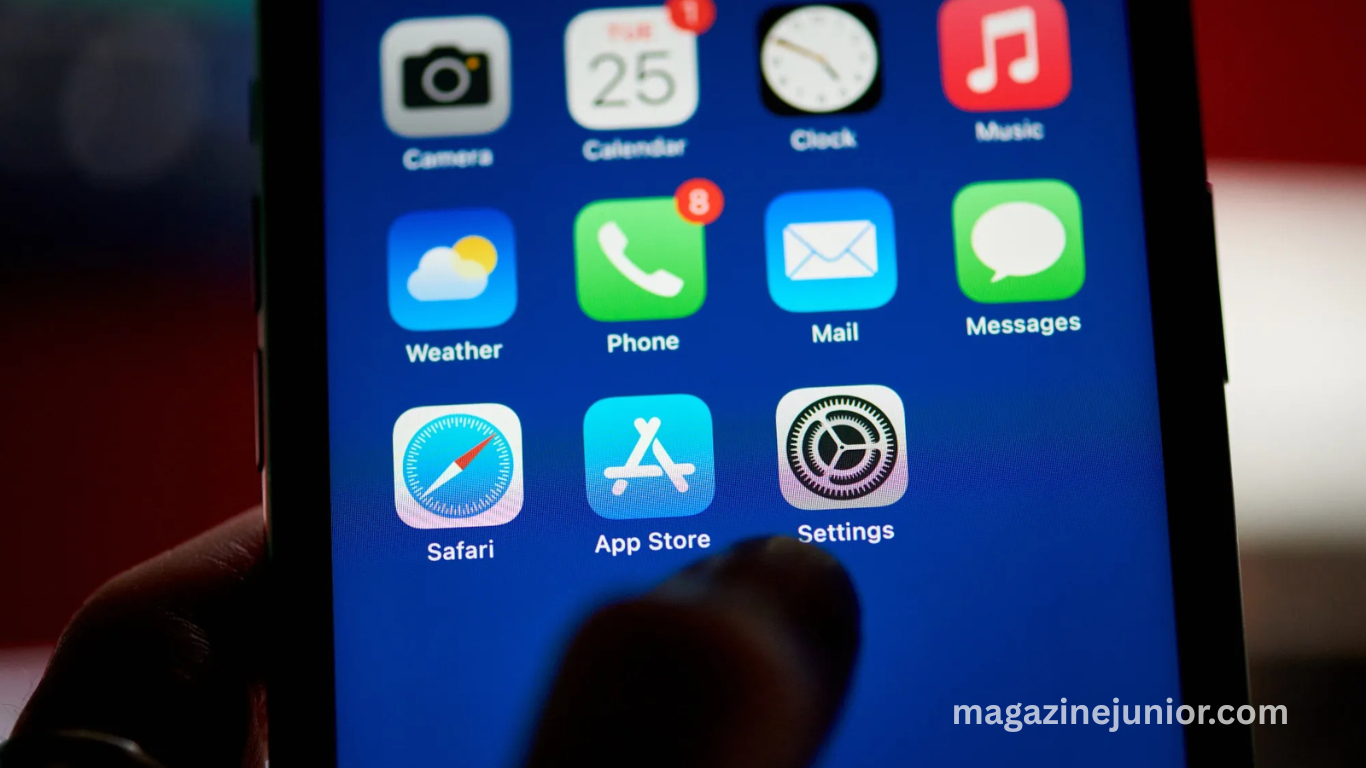
Apple’s relationship with the European Union is entering a critical phase as the tech giant confronts potentially damaging new allegations under the bloc’s stringent Digital Markets Act (DMA). Europe’s regulatory authorities have signaled their intention to file a fresh charge sheet against Apple concerning its App Store policies. The looming legal action highlights the evolving dynamics between global tech powerhouses and the EU’s commitment to preserving fair digital competition.
At the heart of the dispute lies Apple’s App Store operational model and its restrictions on developer communication. The EU has previously levied a €500 million fine for “anti‑steering” practices under the DMA . While Apple made concessions allowing some steering it remains under scrutiny for alleged non‑compliance, especially in light of recent policy modifications and new developer fees.
This unfolding situation underscores the broader tension between Apple’s security‑ and privacy‑driven strategy and the EU’s push for more open app distribution models. The following sections unpack the roots of this dispute, the legal and commercial implications, Apple’s response, and the broader implications for app developers, consumers, and digital markets across Europe.
App Store “anti‑steering” under DMA scrutiny
Apple’s App Store policy traditionally restricted developers from directing users to alternative purchasing routes outside the official store, a practice labeled “anti‑steering.” The DMA mandates gatekeepers like Apple to ensure developers can freely communicate cheaper options to users. In April 2025, the European Commission responded by issuing a €500 million fine, marking one of the first enforcement actions under the new law .
Despite Apple’s adjustments such as enabling limited links and messaging the Commission argues these changes fall short. An ultimatum has been issued: either Apple proposes robust fixes by late June or face fresh charges and steeper penalties. Fines under the DMA could reach 5 percent of Apple’s average daily global revenue for each day of continued non‑compliance .
The proposed developer fee raises more concerns
In response to DMA obligations, Apple introduced a “Core Technology Fee”—a €0.50 per install charge—purportedly to fund App Store sustainment. However, EU regulators question whether this cost differential is merely being passed on to users or imposed on developers in a manner that distorts competition .
The EU’s current review includes questionnaires and scrutiny to determine whether the fee structure disadvantages smaller developers or forces new pricing adjustments. This ongoing analysis compounds Apple’s compliance challenge, adding another layer of complexity to its app‑ecosystem strategy in Europe.
EU’s pattern of fines and enforcement
The fresh charge sheet is the latest in a series of actions under the DMA and preceding competition rules. Earlier, Apple faced a €1.8 billion fine over its treatment of competing music streaming services . Beyond fines, EU regulators required Apple to adjust system-level interoperability, browser‑choice settings, and alternative payment mechanisms .
Read More : AI Companies Should Be Wary of Gulf Spending Spree
Apple’s high‑profile challengers include Google (search, browser, Play Store) and Meta (ad‑consent practices), all evaluated under the DMA framework . The EU’s enforcement approach emphasizes structural, behavioral, and financial remedies to rebalance digital competition.
Apple’s resistance and appeal strategy
Apple has argued that the DMA’s requirements are inconsistently interpreted and ever‑shifting, creating compliance unpredictability. It claims these mandates erode user privacy, compromise device security, and force it to “give away technology for free.”
In early June, Apple filed an appeal with the EU General Court against the interoperability directive, arguing that required data sharing compromises user safety and privacy. The appeal highlights the firm’s broader legal posture, relying on judicial review to counterbalance regulatory pressure .
Impact on iOS 17.4 and EU‑specific changes
To comply with the DMA, Apple rolled out iOS 17.4, enabling new features exclusive to EU users: third‑party app stores, alternative web browsers, and non‑Apple payment methods . Access to these mechanisms is restricted through Apple ID region settings, location checks, and post‑travel grace periods, underscoring the technical and geographic complexity of implementation.
Developers and consumers in the EU retain access, but the rollout underscores that Apple treats EU DMA compliance as a separate ecosystem, fragmented from its global app distribution model.
Ramifications for developers and consumers
The outcome of this legal confrontation holds significant consequences for both developers and end-users. Should Apple be mandated to ease steering restrictions fully, developers could increase user engagement with web‑based subscriptions or promotions, potentially reducing App Store fees and boosting margins.
For consumers, easier access to alternative deals could foster cheaper subscriptions or enhanced service diversity. However, some fear that less oversight from Apple might elevate security risks, especially if review standards in non‑Apple stores are inconsistent.
Transatlantic trade tensions and political backdrop
The DMA enforcement cycle has ignited tension between the EU and the U.S. The Trump administration has characterized EU fines particularly those hitting Apple and Meta as punitive and tariff‑like, hinting at possible trade retaliation . Meanwhile, European lawmakers stress that tech regulation safeguarding open markets should remain independent of broader trade dynamics.
With Apple and Meta appealing and pledging to defend user interests, the unfolding case may influence future trade negotiations and digital policy frameworks across the Atlantic.
What’s next? EU deadline and potential outcomes
With the deadline set for June 26, 2025 , Apple must present actionable fixes to the Commission. If its proposal is deemed insufficient, the EU will likely issue a second charge sheet and impose penalties tied to daily revenues—for Apple, potentially millions per day.
Should Apple comply, it may avoid new sanctions but still face prolonged regulatory scrutiny. Non‑compliance could trigger prolonged legal escalation and a heavier financial burden under the DMA’s graduated penalty scheme.
Wider implications for Big Tech and digital governance
The Apple‑EU clash is emblematic of broader trends impacting gatekeeper platforms under the DMA. Enforcement actions against Apple, Meta, Google, and Amazon signal Europe’s ambition to reshape digital market power structures. As more companies navigate these rules, the DMA’s influence on platform design, developer economics, and consumer choice will amplify.
Future legal decisions in Luxembourg and Brussels may establish crucial jurisprudence defining acceptable platform conduct and competitive boundaries in the digital sphere.
Frequently Asked Questions
What is the Digital Markets Act (DMA)?
A regulation effective May 2023 restricts “gatekeeper” platforms from abusing dominance, with rules on app stores, browsers, interoperability, and fees .
What does “anti‑steering” mean in Apple’s context?
It refers to restrictions preventing developers from pointing users to cheaper offers outside the App Store, intended to preserve Apple’s commission ecosystem .
What is Apple’s recent fine under DMA?
€500 million (~$570 million) was issued in April 2025 for failing to allow developers to inform users about cheaper external purchasing options .
What deadline does Apple face now?
EU regulators require Apple to propose fixes by June 26, 2025, or risk additional formal charges and daily fines .
How large could new fines be?
Penalties can reach up to 5 percent of Apple’s average daily global revenue per day of non‑compliance, representing substantial cumulative exposure.
What is the “Core Technology Fee”?
A €0.50 per install fee charged by Apple to developers in response to DMA obligations is now under EU scrutiny for anti‑competitive impact .
How has Apple changed iOS for the EU?
iOS 17.4 introduces region‑locked features like third‑party app stores, alternative browsers, and payment methods—crafted to comply with the DMA .
How is this dispute affecting US‑EU relations?
The U.S. government views DMA fines as trade barriers, with threats of retaliatory tariffs. The EU emphasizes that its actions are rooted in a fair competition policy, not trade interests .
Conclusion
Apple faces a critical juncture as EU pressure intensifies on App Store practices. With a June deadline looming and fresh charges possible, Apple’s response will shape its European footprint, developer relations, and broader regulatory posture. The case underscores the increasingly strategic role of the DMA in defining the future of digital competition and platform accountability.