


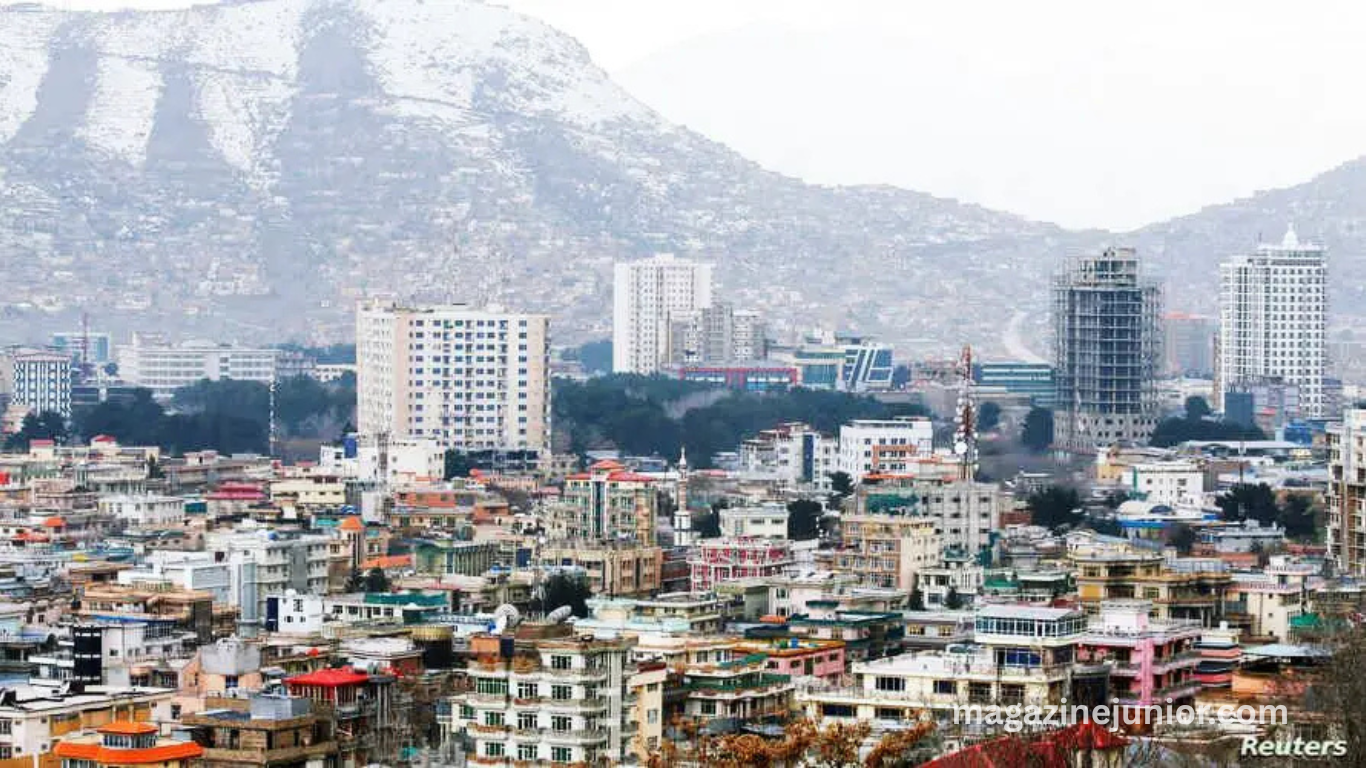
Kabul’s transformation from a modest provincial city to a booming urban center has been dramatic and complex. Once home to less than a million residents in 2001, this capital now supports over seven million people, presenting a host of urban challenges that touch every aspect of daily life.
Daily realities include worrying about water scarcity, unreliable sanitation, overcrowded streets, air pollution, and fragmented infrastructure. These pressures test the resilience of both municipal services and civilian life in an evolving metropolis still recovering from decades of conflict.
Finding sustainable solutions requires coordinated efforts across infrastructure planning, environmental governance, public transport, and housing policy. The stakes are high: guaranteeing clean water access, regulated urban growth, safer mobility, and air quality upgrades will define Kabul’s livability for future generations.
Water scarcity and groundwater depletion
Groundwater reserves supplying nearly half of Kabul’s water are being drawn faster than they can recover. Daily life includes routine fetching, boiling, and sharing unsafe water—80 % of which is contaminated with sewage, salt, and arsenic. Boreholes have dropped dramatically in the past decade, with aquifers falling up to 30 m, putting the city at risk of running out by 2030.
Households spend up to 30 % of their income securing water, with many relying on private vendors who exploit shortages by inflating prices. Responses include local rainwater harvesting and water‑sharing cooperatives, but without major investment such as the proposed Panjshir River pipeline—these efforts can’t scale.
Informal settlements and housing pressure
Approximately 80 % of Kabul’s residents now live in unplanned settlements. These informal neighborhoods often lack access to basic services: paved roads, sewage systems, waste collection, reliable water connections, electricity, and safe housing structures.
The problem is compounded by forced evictions. Over 1.5 km² of informal housing was demolished between 2021–2024, displacing thousands, notably affecting minority communities. These dynamics increase vulnerability and burden municipal services, while responses to upgrade these settlements remain limited due to governance and resource constraints.
Traffic congestion and mobility challenges
Kabul’s streets face extreme traffic congestion driven by explosive population growth and a surge in private vehicles. Daily commutes are lengthy and inefficient, burdened further by limited sidewalks and missing crosswalks. Airborne emissions from these vehicles contribute to worsening air pollution.
Read More : 6 Cities on 5 Continents That Are Reimagining
Efforts to reduce traffic include constructing overpasses and planning a bus rapid transit (BRT) system though progress has been delayed since its launch planning in 2017. The success of BRT will require sustained funding, strategic route planning along major corridors like Dar‑ul‑Aman and Massoud boulevards, and public trust in transit services.
Air pollution and public health
Air quality in Kabul ranks among the worst in the region. Exhaust from congested streets, open waste burning, and unregulated construction create a thick smog that affects health significantly. Over 2,000 people die annually from air pollution-related causes in Kabul alone.
Unchecked waste management practices open dumps, untreated sewage, and hazardous medical waste—further contaminate water and soil. Tackling these issues requires substantial investment in waste collection infrastructure, sewage treatment plants, street cleaning services, and public awareness campaigns.
Urban planning and design reforms
Kabul’s urban landscape has emerged rapidly, often without formal plans. More than 70 % of the city has grown informally. In response, the Kabul Urban Design Framework (2018) envisions sustainable growth: directing development away from vulnerable aquifers, creating protected ecological and hilltop zones, and integrating informal sectors into the urban core.
These guidelines emphasize green space, ecological regeneration near Hashmat Khan Lake, and mixed‑use corridors, prioritizing transportation access within a ten‑minute walk for 75 % of residents. Digital participatory planning tools like D‑Agree ensure community input remains influential, even under political transitions.
Rehabilitation of transportation systems
Kabul once had a trolleybus network (1979–1992), phased out with civil war. Today’s revival plans include the BRT system and possible trolleybus return, aimed at reducing congestion while providing affordable, low‑emission transport.
Infrastructure corridor work on major thoroughfares supports these efforts, alongside pedestrian overpasses to improve safety. Success will depend on sustainable funding models, public-private partnerships, and coordination between Kabul Municipality, the transport ministry, and donors.
Governance, aid dependency, and investment challenges
Afghanistan’s infrastructure struggles are deeply tied to frozen international aid. Nearly $3 billion intended for water, sanitation, and hygiene projects has been blocked since 2021, and only $8.4 million of the required $264 million was disbursed by early 2025.
Local budgets struggle to fill this gap, hampered by international sanctions and limited private banking systems. This aid dependency undermines long‑term planning, making Kabul vulnerable to external shocks and slowing the implementation of critical infrastructure.
Environmental sustainability and climate resilience
Kabul’s water crisis is exacerbated by the region’s long droughts (2021–2024) and drops in snowfall over the Hindu Kush, reducing groundwater recharge. Climate‑driven threats, combined with over‑extraction, demand scalable solutions: inter‑basin transfers, sustainable irrigation, and water‑pricing reforms.
Green infrastructure—tree planting, wetlands restoration, riverbank reinforcement is being piloted in some corridors. Integrating ecological priorities in urban design enhances resilience, public health, and quality of life.
Community initiatives and grassroots resilience
Despite systemic challenges, Kabul’s residents have shown adaptability. Rainwater harvesting, water‑sharing networks, and local volunteering in waste cleanup highlight civic ingenuity.
Social enterprises are emerging to manage sanitation, build affordable housing, and leverage digital tools in planning. These grassroots projects embody practical community engagement, though scaling them requires structural support from the government and donors.
The path forward: multi‑sector reform and integrated policy
Tackling Kabul’s urban challenges requires strategic reforms across sectors:
- Water governance – commission the Panjshir pipeline; regulate groundwater extraction; promote reuse and conservation.
- Land tenure and housing – formalize informal settlements with access to services and tenure security.
- Transport mobility – accelerate BRT completion; pilot electric buses; protect pedestrians and cyclists.
- Public health – expand sewage treatment; improve waste collection; regulate industrial emissions.
- Ecological planning – integrate green belts; conserve hilltops and water recharge zones.
- Funding mechanisms – blend local revenue, diaspora investment, donor grants, and public-private infrastructure bonds.
- Community engagement – scale participatory tools like D‑Agree and support local urban innovators.
Frequently Asked Questions
What is causing Kabul’s water crisis?
Rapid population growth, prolonged drought, groundwater over‑extraction, decades‑old infrastructure, and frozen aid have all contributed.
How much water do households spend on purchasing water?
Some spend up to 30 % of their income on improved or delivered water due to borehole depletion and high private‑vendor costs.
What percentage of Kabul residents live in unplanned settlements?
Approximately 80 %. Informal areas often lack basic infrastructure and land rights.
What efforts exist to improve public transport?
A bus rapid transit system is underway, supported by infrastructure upgrades, including overpasses. Trolleybus revival is under consideration.
What are the main sources of air pollution?
Exhaust from vehicles, open waste burning, and lack of emissions regulation contribute to over 2,000 annual deaths.
How is climate change affecting the city?
Droughts and reduced snowmelt disrupt aquifer recharge; urban heat islands and flood risk also increase without green planning.
What role do community initiatives play?
Local groups lead rainwater harvesting, cleanups, sanitation, and civic planning platforms, fostering resilience and social cohesion.
How can the international community respond?
Funding critical projects like the Panjshir pipeline and BRT, combined with technical assistance, could stabilize infrastructure without bypassing the government.
Conclusion
Kabul’s urban trajectory reflects a city stretched to its limits by water shortages, informal growth, traffic gridlock, and pollution. Yet its citizens, NGOs, planners, and municipal leaders are responding with infrastructure planning, ecological design, participatory tools, and grassroots ingenuity. Overcoming these challenges depends on integrated governance, strategic funding, resilient infrastructure, and empowered communities. If sustained coordination continues, Kabul has the opportunity to transform from a crisis‑ridden sprawl into a more sustainable, inclusive, and livable city by 2030.